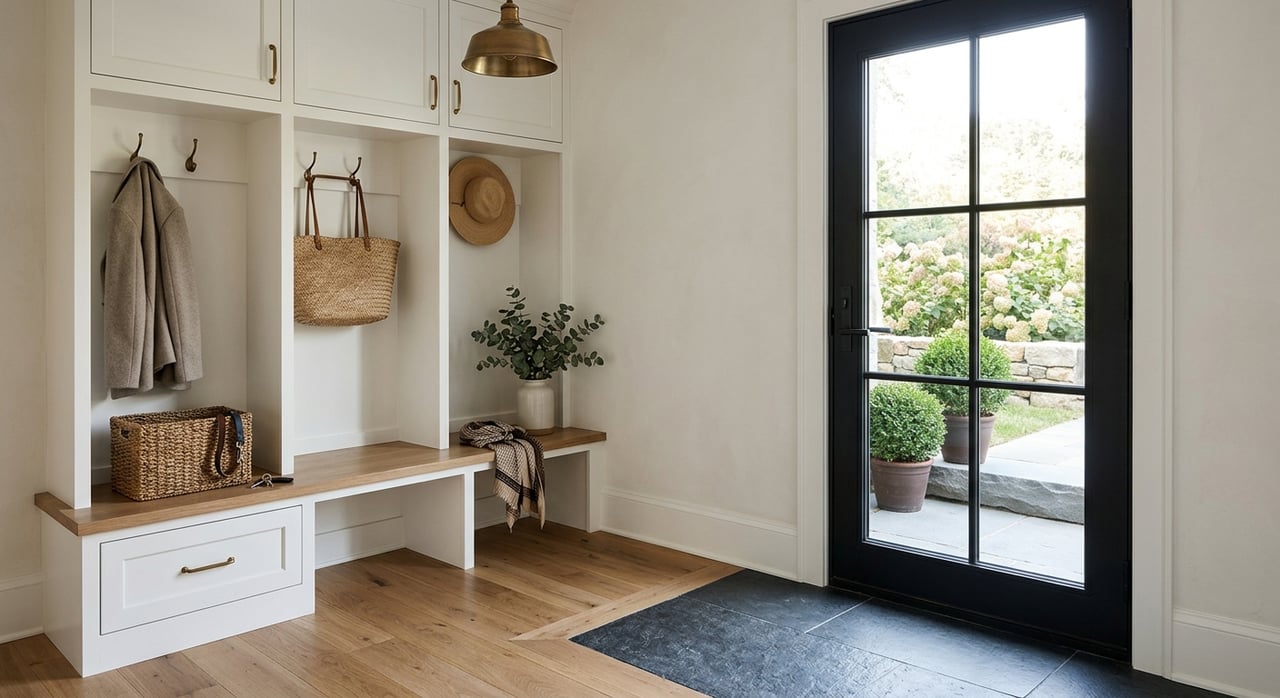
Buying A Second Home In Skaneateles
July 23, 2026
July 23, 2026
Are you dreaming about a second home in Skaneateles? You are not alone. For many buyers, this market is about more than owning another property. It is about lake days, quiet weekends, and a place that feels rooted in one of Central New York’s most distinctive communities. But in Skaneateles, a smart purchase starts with understanding how location, local rules, and long-term upkeep can shape your experience. Let’s dive in.
Skaneateles sits in a very different price bracket than the broader county. Redfin reported a median sale price of $949,432 in May 2026 for Skaneateles, while Zillow showed a typical home value of $288,758 for Onondaga County. That gap helps explain why many second-home purchases here are driven by lifestyle goals rather than entry-level affordability.
This is also not a market where every listing moves instantly. Redfin describes Skaneateles as somewhat competitive, with homes taking a median 77 days to sell. That means you may have room to think carefully, but you still need a clear plan when the right property appears.
One of the most important details is the exact location of the property. A home may have a Skaneateles address, but that does not automatically mean it falls under the same rules as every other property nearby. The Village of Skaneateles and the Town of Skaneateles have separate codes, separate occupancy tax pages, and different rules that can affect rentals and property improvements.
Before you get too far into a second-home search, confirm whether a home is in the Village or in the Town. That one detail can influence your plans for personal use, guest stays, renovations, and any future rental strategy.
Skaneateles Lake is more than a beautiful setting. It is also part of a regulated drinking water system. The City of Syracuse states that the lake supplies drinking water to more than 165,000 residents in Syracuse, Skaneateles, Jordan, and Elbridge, and the watershed program reviews site plans, septic issues, and lakeshore properties.
For you as a buyer, that means lakefront ownership often comes with more review than you might expect in another market. If you are looking at a property near the shoreline, it is wise to think beyond the view and ask how future work on the land may be reviewed.
If your second-home vision includes a dock, boathouse, or shoreline gathering space, local rules deserve close attention. In the Village, projects within 100 feet of the lake line generally need Planning Board site plan approval, and what can be built there is tightly limited. In the Town, construction or expansion within 200 feet of the lake line requires site plan approval and an erosion and stormwater control plan.
These rules matter because waterfront features are not simple add-ons. They can affect your timeline, your budget, and your ability to use the property the way you imagined.
Village code allows limited offshore structures and requires docks to be built to withstand wave action and ice. It also states that boathouses are for storage only, with no sleeping, lodging, or sanitary facilities. Town lakeshore rules also apply tighter permit review to features such as seawalls, retaining walls, permanent docks, and other improvements near the lake line.
If you will only use the home part-time, think through the practical side early. Seasonal dock handling, winter storage, contractor scheduling, and off-season maintenance all deserve attention before closing.
A second home can feel like an escape, but it still needs regular care. In Skaneateles, that care is not just about keeping the property tidy. It can also involve compliance with watershed review, septic oversight, and local approval processes for certain work near the lake.
The watershed program describes inspections of lakeshore properties, septic-system reviews, and design and site-plan review for building or land-disturbing activity. If you are considering a seasonal cottage, grading, landscaping, septic upgrades, or shoreline work, build extra time into your plans. Approval timelines may matter just as much as construction costs.
Some buyers hope a second home can also help offset carrying costs. That can be possible in certain situations, but in Skaneateles, rental assumptions should always be tested against the local code.
In the Village, the zoning code says a dwelling does not include transient occupancy of less than 30 days. Another section states that overnight accommodation for compensation or barter for fewer than 30 consecutive days is not permitted in the Village except in a hotel, lodging, or bed-and-breakfast homestay. If you are considering short-term rental income, that is a major distinction.
Outside the Village, the Town of Skaneateles has its own short-term dwelling-unit occupancy tax system. The Town’s local law imposes a 5% tax on short-term dwelling units, defines the category broadly to include short-term rentals and vacation rentals, and requires operators to file a registration certificate and display a certificate of authority.
The Village also has its own hotel occupancy tax process. Its current page requires registration, a certificate of authority displayed on-site, and quarterly returns with fixed due dates. The Village code reauthorizes a 5% occupancy tax effective January 1, 2026.
Onondaga County has separate room occupancy tax rules for short-term rental hosts. The county requires registration, a displayed certificate of authority, renewal every two years, and quarterly filing and remittance. The county room occupancy tax rate is currently 7%.
The county also states that failing to obtain the required certificate can lead to penalties up to $500 for the first day and up to $200 per day after that, up to a $10,000 aggregate. For any buyer thinking about rental income, compliance is not a small detail. It is a core part of the financial picture.
Skaneateles should be viewed as a premium niche market. Recent data shows homes selling at about 96.4% of list price, and Zillow’s rental page shows an average long-term rent of $2,956 per month with 26 rentals available. That long-term rent figure can be useful as a rough carrying-cost benchmark, but it is not a substitute for reviewing the legal and practical realities of short-term rental use.
In other words, do not let projected rental income drive the purchase before the property itself checks out. A second home here works best when your lifestyle goals, maintenance tolerance, and intended use all line up.
Before making an offer on a second home in Skaneateles, it helps to get clear on a few essentials:
These questions can help you avoid buying with assumptions that do not match the property’s actual limits.
In a market like Skaneateles, details matter. A property that looks ideal online may come with different rules depending on the parcel location, shoreline conditions, or intended use. That is especially true for luxury and lake-area homes, where inventory is limited and each property can have its own set of considerations.
When you work with an experienced local professional, you can narrow your search around the way you actually want to live. That means focusing on the right fit from the start, whether you are looking for a classic village home, a seasonal retreat, or a waterfront property with long-term value in mind.
If you are considering buying a second home in Skaneateles, Molly Elliott can help you evaluate the market, compare properties, and move forward with local insight and steady guidance.
Stay up to date on the latest real estate trends.
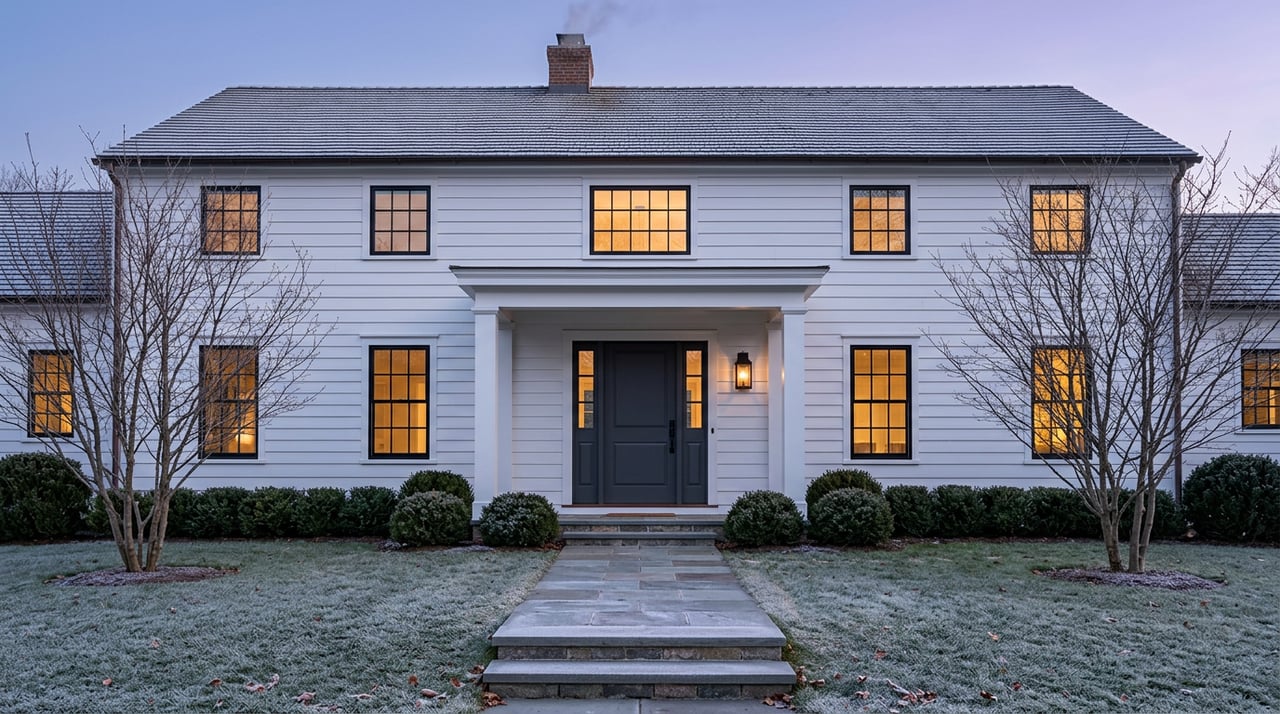
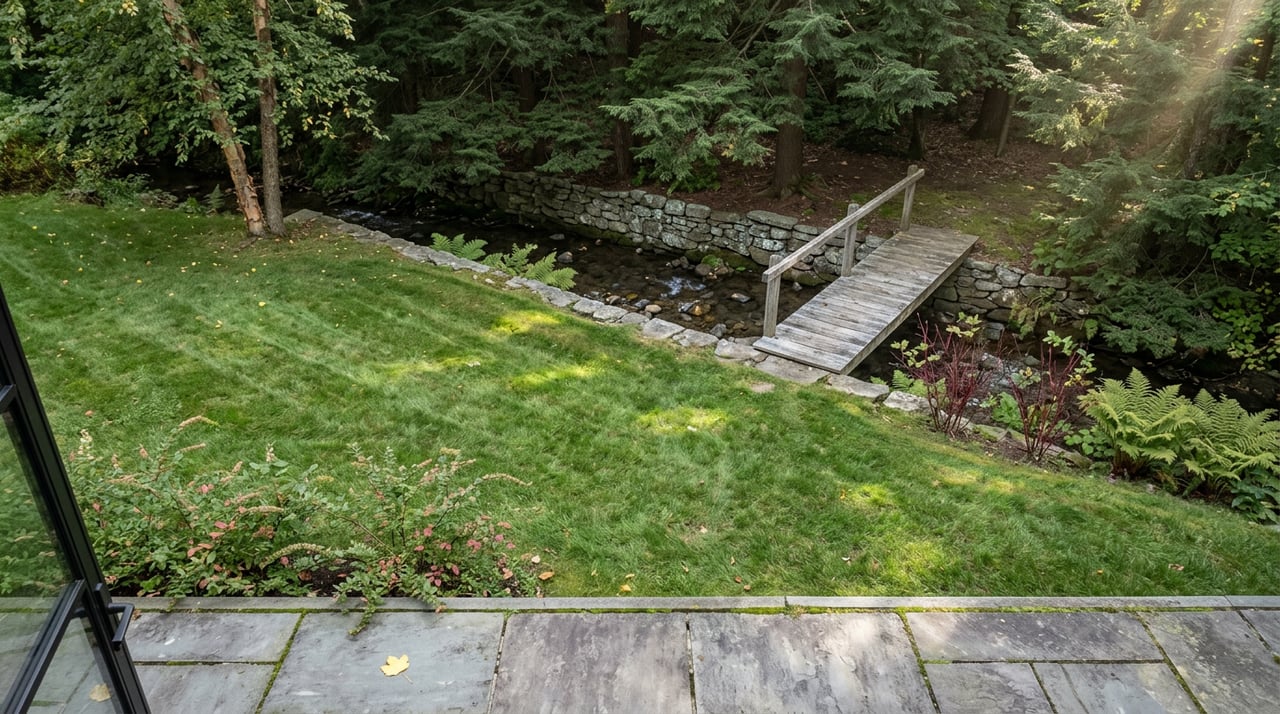
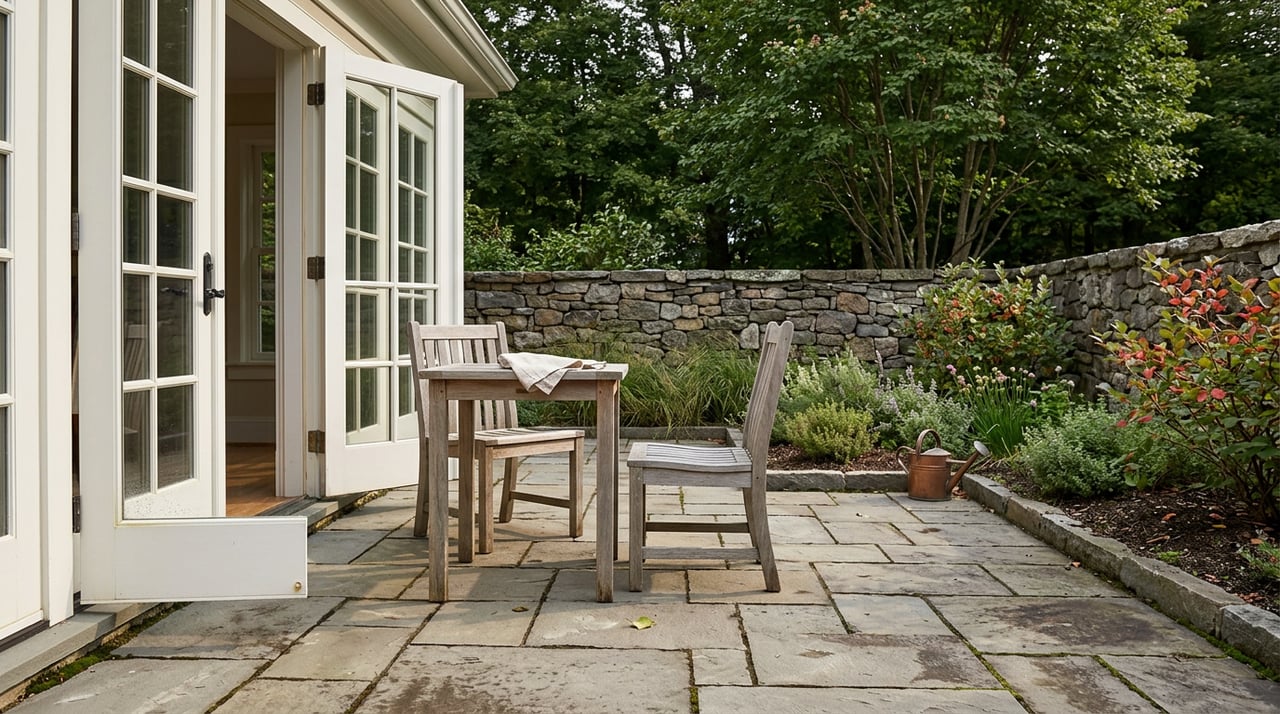
Enjoy a personalized real estate experience backed by deep local roots and over two decades of expertise. As a lifelong Skaneateles resident, she brings unmatched knowledge and puts your needs first in every transaction.
ADDRESS
28 E Genesee St
Skaneateles, NY 13152